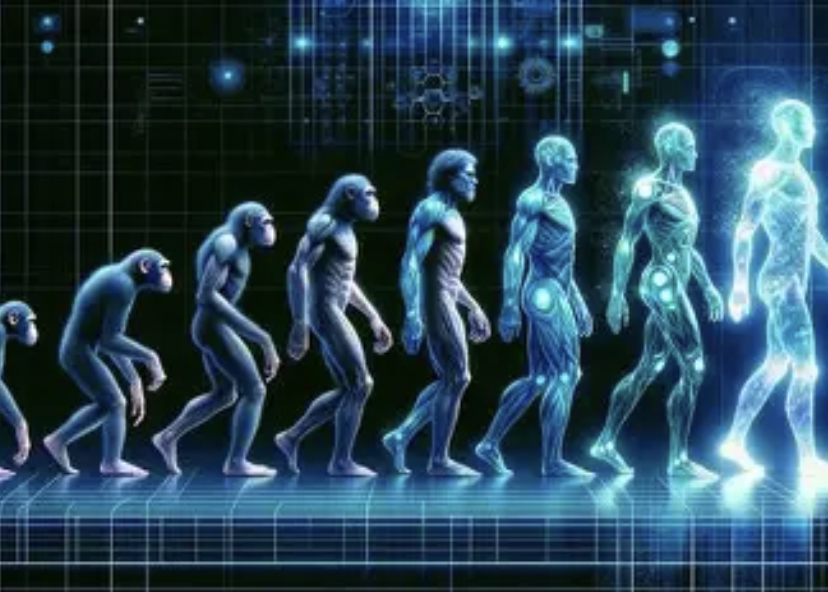
Every wave of technological advancement transforms not only our lifestyles and work environments but also disrupts the underlying structures of social orders, dynamics of power, and interpersonal relationships. For those involved in creating or funding innovations, this shift is more than merely an effect of progress; it is a driving element. However, this transition is seldom straightforward—it establishes new privileged classes, displaces former elites, and alters perceptions of what it means to belong, contribute, and succeed within society.
New Privileged Classes: From Labor to Intelligence
The industrial age led to the rise of factory owners, while the digital timeline ushered in a generation of tech magnates and AI experts. Currently, status is no longer determined by land ownership or financial capital but by intellectual capabilities—the skill to design, analyze, and manipulate sophisticated technology. This transformation highlights a pronounced divide: individuals who can harness innovative tools like generative artificial intelligence or quantum technology wield considerable power, whereas others risk falling into obscurity. Unlike conventional wealth, this kind of influence is adaptable, yet it establishes a new societal hierarchy based on expertise rather than familial wealth.
Automation through technology is eliminating monotonous occupations, simultaneously reimagining what constitutes fulfilling work. Positions in manufacturing or data entry are diminishing, while there is a growing demand for jobs that combine human creativity with technology, such as user experience design for advanced systems, ethical evaluations of AI, or strategic planning for smart urban development. For wealthy individuals, this translates into emerging career opportunities that prioritize flexibility and adaptability; however, it leaves those unable to enhance their skills with diminishing economic prospects, thereby altering the landscape of social mobility influenced by access to education and mentorship.
Connecting Communities: From Local to Global, Digital to Disconnected
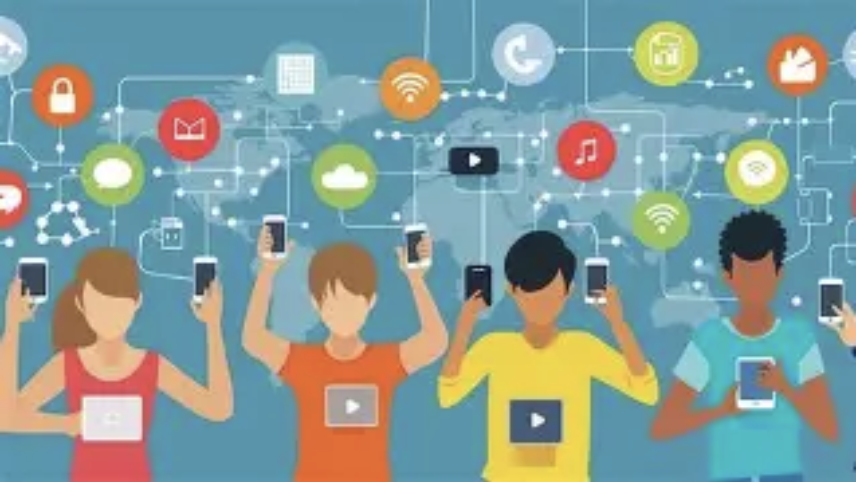
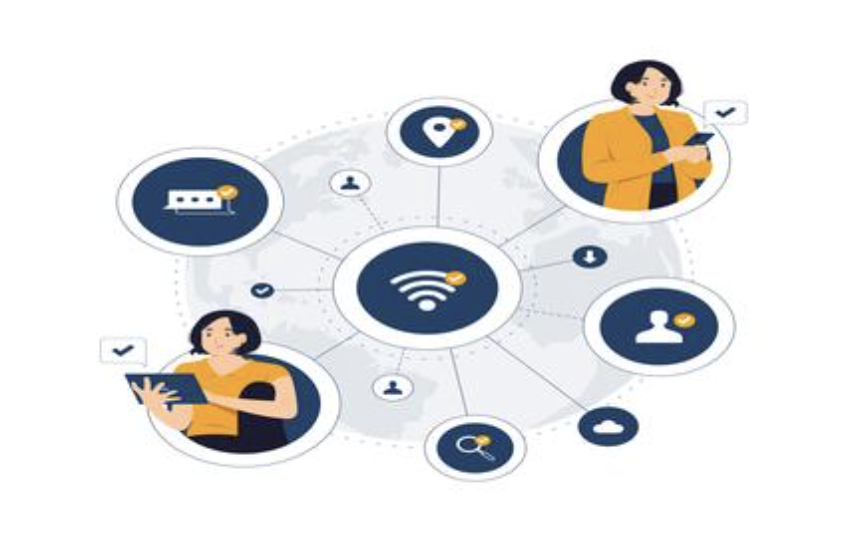
The advent of the internet and the Internet of Things has made global cooperation commonplace, eliminating physical barriers in commerce, culture, and collective efforts. Nevertheless, this interconnectedness carries a downside: online communities frequently supplant face-to-face connections, weakening the social bonds that once tied neighborhoods together. Wealthy individuals, for instance, might participate in elite global technology platforms but find themselves estranged from their local environments, resulting in a new kind of social alienation that cannot be resolved solely through financial means.
Cultural Perspectives: Advancing vs. Preserving
Technological advancements compel societies to balance innovation with heritage. Artificial intelligence-generated art, gene modification, and smart home systems challenge traditional notions of humanity and ignite discussions regarding identity, ethics, and cultural legacy. For affluent consumers, this means making a choice between embracing pioneering technology and upholding valued cultural traditions, a dynamic that influences societal beliefs about advancement, sustainability, and human relationships.
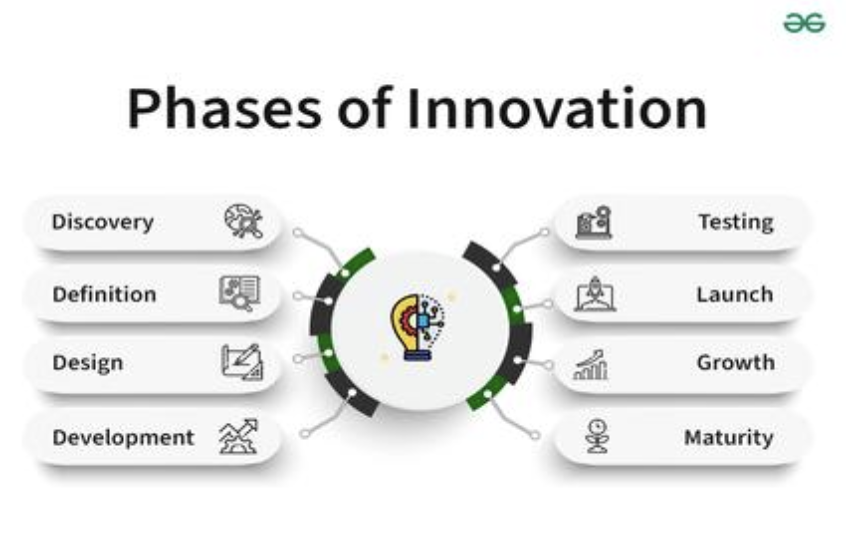
In conclusion, advancements in technology do not merely alter society; they compel it to rethink its own identity. The societies that thrive the most are not necessarily the ones that quickly embrace the latest technologies, but rather those that steer its development to create more inclusive, fair, and human-focused systems. For those who grasp this concept, the real strength of technology exists not in its devices, but in its potential to reshape the possibilities of what society can become.