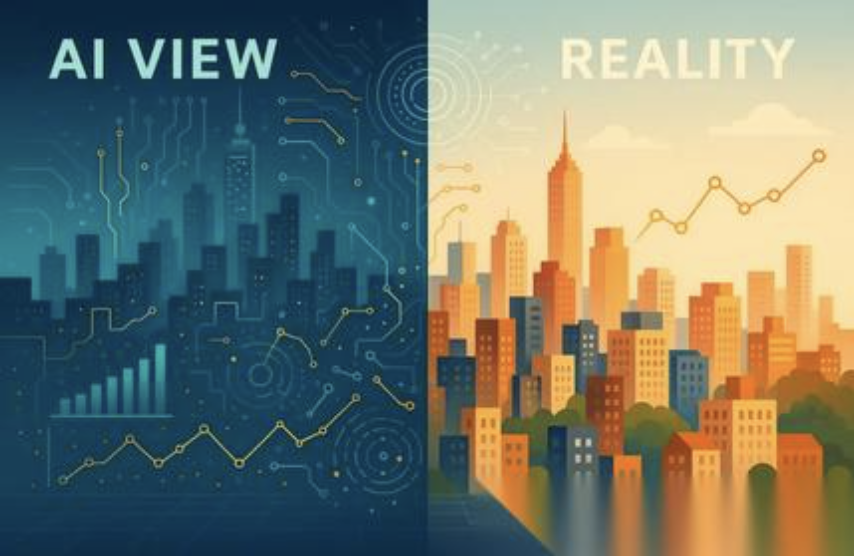
The contemporary digital gap is not centered around device or Wi-Fi availability; rather, it has transformed into a disparity in adaptation, understanding, and ethical usage. For individuals engaged in prestigious networks and critical decision-making, this updated divide jeopardizes not just connectivity, but also significance and independence. It distinguishes between those who utilize new technology advantageously and those who find themselves excluded due to its intricacies, implicit biases, and inaccessible design.

Cognitive Divide in Tech Adaptation
Beyond simple skill acquisition, the chasm exists in cognitive flexibility. New technologies—from AI-assisted wealth management to quantum-safe communication—require swift acquisition of specialized abilities. Individuals who cannot keep pace with ongoing changes or comprehend situational applications may miss out on prospects, despite having the financial capability to procure the necessary tools.
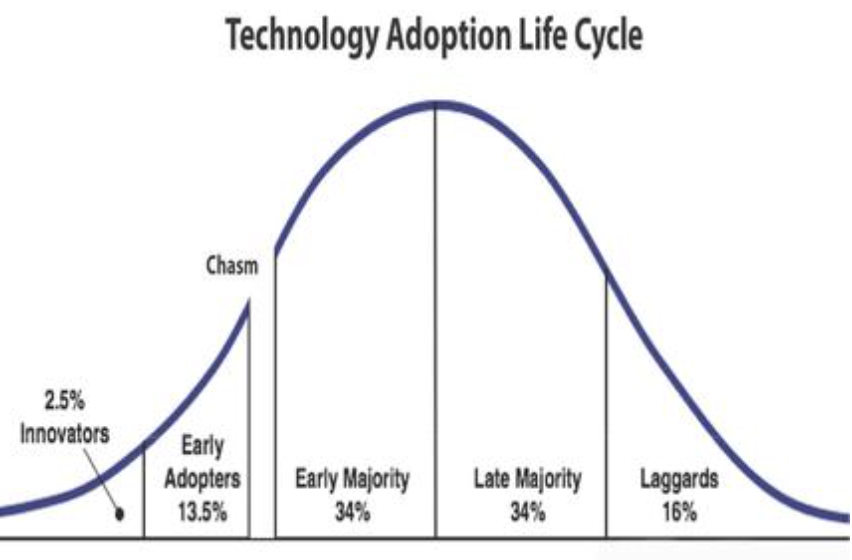
Invisible Exclusion by Niche Tech
Expensive, specialized technology environments frequently generate unseen hurdles. Exclusive smart system setups, private blockchain platforms, or customized health technology necessitate insider understanding for effective utilization. This form of exclusion isn’t based on finances; it relates to being part of the circles that determine how these technologies are integrated into everyday life, leaving those outside disconnected.
Ethical Literacy as a Divide Marker
The principles of technology ethics have emerged as a new measure of literacy. Those who cannot identify AI bias, risks surrounding data misuse, or compromises in privacy when using advanced tools inadvertently surrender their control—whether to algorithmic influences in investments or surveillance through smart home gadgets. This ethical discrepancy places even wealthy individuals at risk of being "left behind" in a reality where trust in technology equates to value.
Intergenerational Tech Legacy Gaps
Wealth and inherited resources do not ensure proficiency in technology. Families that neglect to incorporate tech literacy into their multigenerational education may witness mismanagement of their assets—either digital or physical. Older family members might find it challenging to navigate blockchain-based inheritance, while younger successors may lack the context for established technology systems, creating a gap that disrupts wealth preservation.
Custom Tech Access Barriers
Luxury custom technology typically has concealed obstacles to entry. From AI assistants designed for particular sectors to bespoke health technology necessitating knowledge of genetic data, these tools require more than financial investment—they need alignment with the values and workflows of a tech ecosystem. Individuals who do not meet this alignment are inherently excluded.
Geopolitical Tech Fragmentation
The worldwide fragmentation of technology enhances the divide. Local limitations on AI applications, incompatible blockchain networks, and digital services split by geopolitical lines leave users operating across borders feeling lost. Those who struggle to adapt to these fragmented systems forfeit access to international opportunities, their digital presence constrained by arbitrary technological divides.
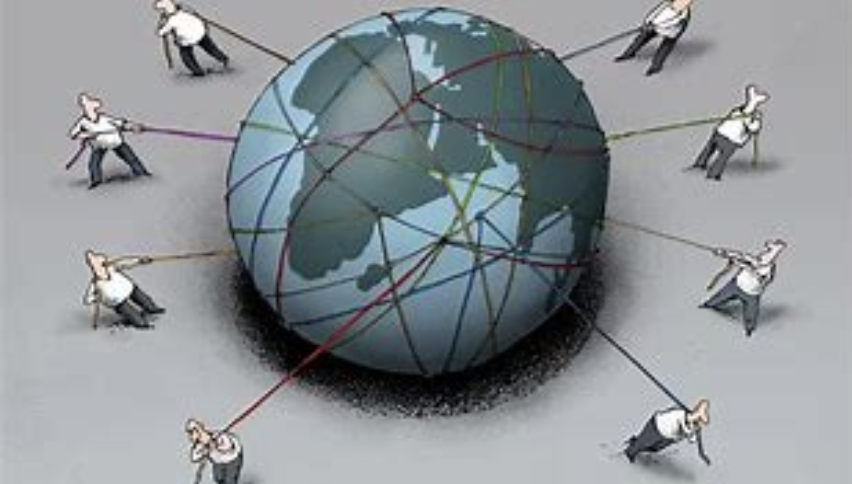
The emerging digital divide represents a gap in agency rather than mere access. For astute individuals, sustaining relevance relies on ongoing education, ethical insight, and ecosystem harmony—not solely on the acquisition of technology. This illustrates that being "prepared for the future" goes beyond possessing the latest gadget; it entails mastering the intricacies that prevent one from becoming obsolete.