For a long time, mainstream social entertainment has revolved around public content feeds and interaction in large groups, yet a subtle structural change is transforming user experiences and industry frameworks. The forthcoming phase of social entertainment is shifting away from broad, traffic-driven public engagement to more private, customized, and immersive social experiences powered by generative artificial intelligence and spatial computing. This transition alters how individuals forge connections, enjoy leisure content, and distribute their time and resources in digital environments.
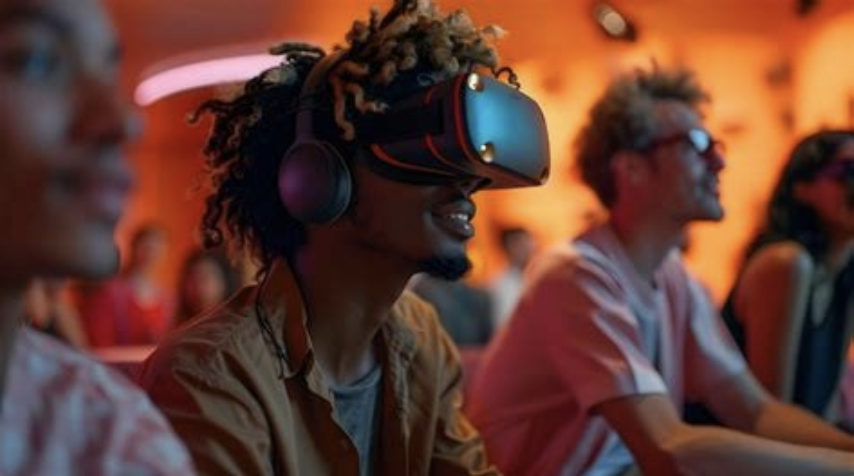
A clear sign of this transformation is the increasing attraction of AI-driven private social lounges and personalized interactive storytelling. In contrast to conventional short-video streams or public live broadcasts that offer standardized content to wide audiences, next-generation platforms create special social situations and lively content that cater to individual behavior patterns, social networks, and recreational preferences. Participants engage in more intimate, ongoing social interactions rather than passively browsing content, converting solitary digital entertainment into ongoing, relationship-focused social experiences. This degree of tailored personalization has emerged as the primary standard that differentiates new social products from outdated mainstream offerings.
Hidden within this enhanced user experience are a range of underestimated secondary effects on everyday social interactions and personal digital limits. The deep integration of algorithms that facilitates seamless personalized social entertainment also produces omnipresent predictive social environments. The platform systems can foresee user preferences in interaction, emotional states, and social behaviors, creating closed experiential circuits that exclude unplanned, spontaneous social interactions. This gradually diminishes the unpredictability and variety that characterize real-world social interactions, restricting the range of long-term social exposure and personal development.
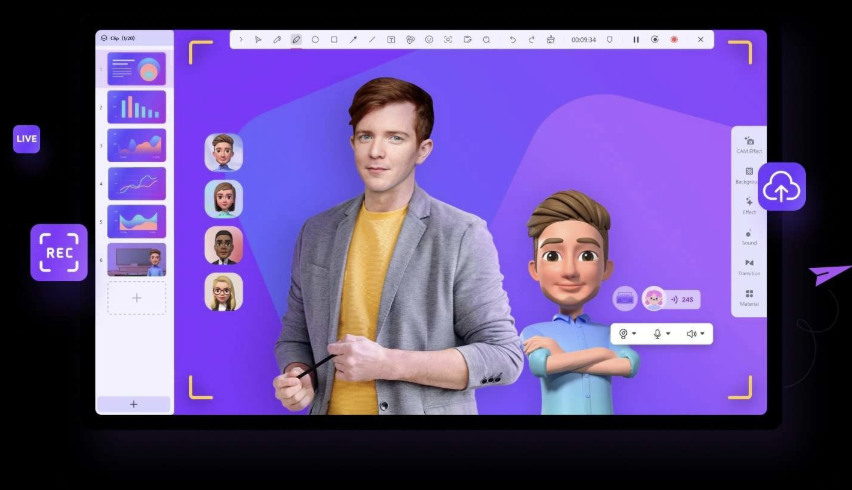
Another potential danger lies in the diminishing distinction between artificial and genuine social interaction. Contemporary generative models create lifelike virtual participants, interactive characters, and imitation social responses that compensate for gaps in human-to-human exchanges. While these AI-assisted social experiences offer consistent, low-effort entertainment, they lessen the subtle and imperfect nuances of authentic human communication. Extended engagement in such finely-tuned social environments alters personal social understanding, reducing tolerance for the unpredictability and challenges inherent in true interpersonal relationships.

The evolution within the industry also introduces subtle shifts in ownership and sunk costs. Next-generation social entertainment closely intertwines user social identity, interaction records, and exclusive scenario access with algorithm-based ecosystems. Unlike traditional social content that allows for cross-platform sharing, new immersive social resources and social capital are mainly platform-restricted. There are no comprehensive industry standards for data transferability and identity movement, resulting in unnoticed value entrapment. Long-term user commitment and gradual investment in leisure become confined to individual platform ecosystems, with no mature secondary channels for transferring or inheriting value.
These changing dynamics redefine high-quality digital leisure options. The upcoming chapter of social entertainment emphasizes experiential accuracy and private connections over public engagement and viral visibility. Discerning digital users are increasingly considering not only immediate immersive enjoyment, but also the clarity of algorithms, control over data boundaries, and openness of ecosystems. These criteria determine enduring social value and help avoid the long-term cognitive and asset pitfalls that may be found in seemingly advanced next-generation social experiences.