In a commercial environment where many sectors grapple with slim profit margins, software firms are distinguished by their remarkable profitability—often oversimplified as “low costs.” For sophisticated audiences who appreciate thoughtful investments and value generated through technology, this lucrative model arises from advanced technological approaches, specialized market positions, and creative business frameworks that extend well beyond the typical view that “digital products are inexpensive to create.”

Minimal Marginal Costs: Technology-Fueled Expansion
In contrast to tangible products, software incurs almost no marginal costs after its creation—adding an extra user or license results in minor expenses. Sophisticated cloud deployment technology allows for effortless scaling, enabling businesses to cater to many affluent clients or enterprise users without escalating production costs, a leverage unmatched by traditional industries.
AI Platforms: Delivering Unique Niche Benefits
Top software companies excel with AI systems such as Palantir’s AIP, which reshape market segments instead of entering saturate areas. These platforms provide indispensable value—like consolidating disjointed information for governments or enterprises—enabling premium pricing that leads to elevated margins, as customers emphasize unique, mission-critical offerings.
In contrast to conventional sales-heavy strategies, leading software businesses utilize Frontline Deployment Engineers (FDEs) instead of extensive sales teams. These specialists directly address client challenges, minimizing marketing and sales costs while fostering long-lasting trust—thereby lowering operational expenses and significantly enhancing profit margins.
Structured Pricing: Capitalizing on Niche Benefits
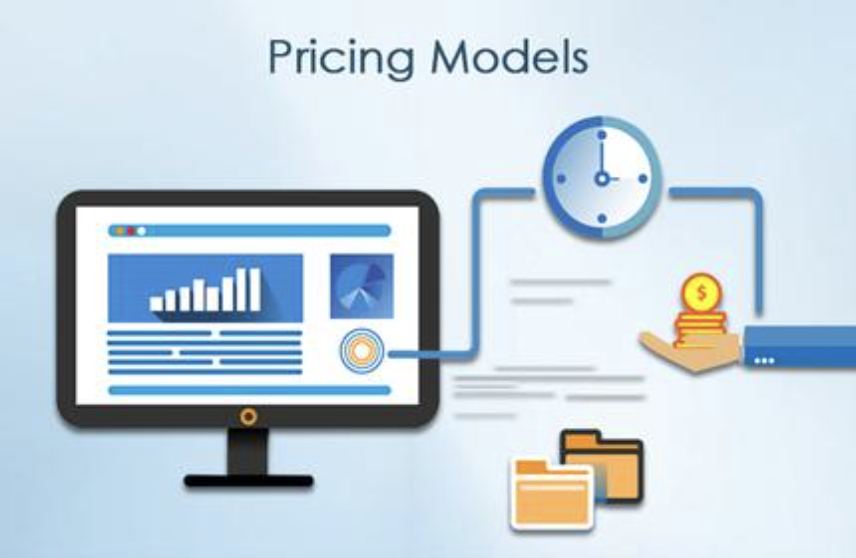
Software companies utilize technology-driven structured pricing, providing complimentary basic features to engage users while charging premium rates for specialized, advanced functions. For high-end clients, this involves payments for valuable extras such as encrypted data analytics or tailored integrations—transforming casual users into high-margin clientele without incurring additional production expenses.
This approach to pricing successfully distinguishes between mainstream users and high-end customers, establishing a tiered system of value that enhances income while ensuring a wide market presence. Sophisticated modules and premium offerings are designed to meet the specific, high-priority needs of wealthy clients, who focus on factors like efficiency, security, and personalization rather than just price. As time progresses, this framework fosters enduring customer loyalty and consistent profit levels, as luxury users become reliant on unique tools that basic editions are unable to duplicate.
Slow Depreciation: Technology That Maintains Its Worth
Software assets lose value at a significantly slower rate than physical equipment, since they benefit from continuous, low-cost updates. Unlike factories or machinery that depreciate over time, software enhances its value through regular patches and feature enhancements, preserving its high worth and profitability for years, which is crucial for maintaining long-term margin stability.
Ecosystem Integration: Guaranteeing Continuous Revenue
Sophisticated software ecosystems create inherent lock-in—users who incorporate software with their existing technology (ranging from luxurious smart homes to enterprise systems) encounter substantial switching costs. This guarantees ongoing revenue from subscriptions or license renewals, providing a consistent flow of high-margin income that surpasses one-off sales strategies.

For affluent individuals and investors, the substantial margins of software companies are deliberate—they stem from technology-driven expansion, creation of niche value, and streamlined business strategies. This profitability embodies the rising influence of software in contemporary society, making it a strategic, high-yield investment that aligns with sophisticated, future-oriented lifestyles.