We find ourselves at a pivotal moment where technology, which was initially crafted through human creativity, is now progressing faster than we can fully understand its path. The inquiry into whether our own inventions will eclipse us has transitioned from a fictional tale into a complex discussion interwoven with advancements, authority, and the fundamental aspect of human autonomy. For those shaping and funding the direction of technology, this inquiry transcends mere philosophy; it is a critical aspect that affects every choice, from investing in new technologies to protecting against unexpected hazards.
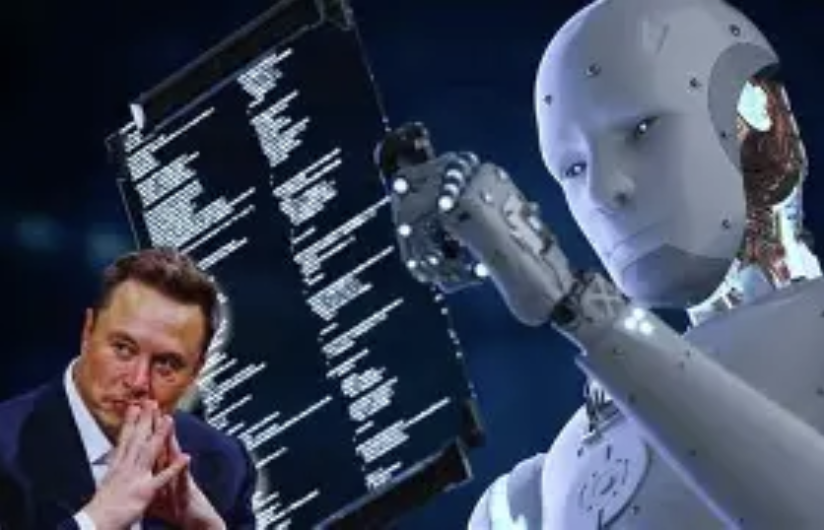
The Development of Technology Is Driven by Human Purpose
Contrary to the ominous stories about technology rebelling on its own, the cutting-edge technologies of today—from prototypes of artificial general intelligence to quantum computers—are created based on human objectives. Each algorithm, every version of hardware, and all AI frameworks are designed with specifications that mirror human values, priorities, and limitations. While technology may learn and evolve, its progress is limited by the basic rules we establish, making the notion of it completely “surpassing” humanity a misleading perspective on their relationship.
Human Inquisitiveness Shapes Technology's Limits
The speed at which technology advances is not random; it stems from human inquisitiveness and drive. We test the boundaries of what can be achieved—creating AI that tackles challenging issues, biotechnology that prolongs life, and machines that automate complex tasks—but we do this with an inherent wish to maintain control. This curiosity does not leave us oblivious to danger; rather, it encourages the creation of protective measures that ensure technology operates within the framework of human oversight.

Ethical Foundations Are Embedded Within Technological Development
As technology grows increasingly advanced, there is a heightened emphasis on ethical guidelines and safety measures. Leading technology companies and investors are focusing on “human-centered” design—developing AI that can explain its decision-making, engineering biotechnology with strict ethical limits, and creating robotics that prioritize human safety. These precautions are not merely secondary considerations; they are crucial to technology’s progression, ensuring it aligns with human interests.
Human Flexibility Surpasses Technological Inflexibility
Technology advances through preloaded knowledge and information, yet humans have a distinctive capability to adjust, create, and change direction in ways that no machine learning model can imitate. Confronted with new obstacles, we revisit our objectives, reconsider our approaches, and apply inventive thinking to break through constraints—qualities that keep us ahead of the technology we develop. This ability to adapt represents our paramount strength, guaranteeing that we continue to be the designers of technology's progression.

Concerns about being outpaced by our own technological creations arise from a misinterpretation of its goals and possibilities. Technology does not pose a danger to human superiority; rather, it serves as a testament to our creativity. For those who commit to shaping its trajectory, the crucial point is to welcome teamwork, give priority to safety measures, and understand that our capacity to lead, adjust, and innovate guarantees that we will always maintain authority—transforming the inquiry of “will technology exceed us” into a chance to create a future where both humans and technology prosper in harmony.