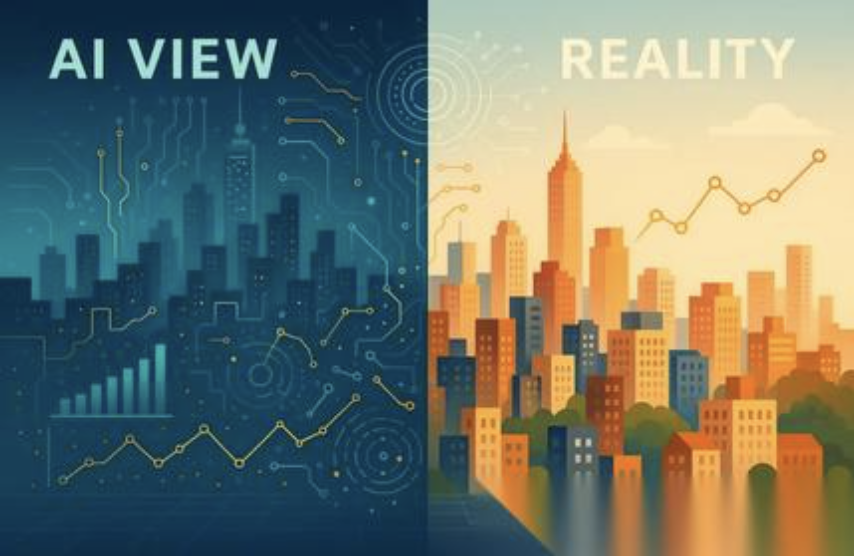
We immerse ourselves in advanced gadgets, tailored environments, and AI applications that appear to comply with our every request. For individuals used to steering results through their resources and decisions, technology frequently resembles an extension of their ambitions—adaptable, individualized, and submissive. However, beneath this façade of authority exists a nuanced power relation: technology subtly influences our choices, limiting our options and reshaping our anticipations. The focus shifts from whether technology governs us to how we can regain our autonomy in a landscape where progress and persuasion are intertwined.

The Concealed Influences of Luxury Ecosystems
High-end technological ecosystems, ranging from customized smart residences to elite wearables, are created with the intention of being intuitive. However, they function on exclusive guidelines—restricting integration across different brands, nudging users toward premium features, and safeguarding data within closed networks. What is perceived as personalization is frequently a guided journey, where authority is permitted only within the limits set by the developers.
An example of a high-end smart home system could be one that does not easily connect with external lighting or security gadgets, compelling users to buy specific additional products to access all features. A premium fitness tracker might keep exercise information locked away behind a subscription fee, preventing synchronization with rival health services while requiring one to forfeit important data. These integrated systems are not merely about providing goods; they create a tailored experience, where ease of use is exchanged for adaptability, and consumer loyalty is built through intentional restrictions instead of true excellence.
Personalization vs. Reliance
Wealthy individuals invest in customized technology to simplify their lives, yet this personalization results in reliance. AI companions adapt to preferences to foretell requirements, but gradually, they diminish our ability to make decisions. A tailored news feed or an automatically adjusted atmosphere may feel empowering, yet it restricts our viewpoint, making us dependent on technology to interpret our surroundings.

The Fallacy of Data Control
Wealthy users often presume they manage their data through premium privacy solutions. Nonetheless, even protected systems indirectly profit from behavior patterns, providing insights to algorithms that improve products and influence decisions. Data turns into a form of currency we unknowingly exchange, even while paying for "privacy."

Genuine authority is not found in an excess of technology, but rather in intentional limitations. Astute users are crafting "tech diets"—restricting AI's independence, compartmentalizing data across various platforms, and valuing tools that enhance rather than replace human discernment. This approach is not about rejecting progress, but about mastering it.
Defining Technological Incentives
As early investors and adopters, affluent individuals possess the capability to transform the function of technology. By supporting ventures that place user empowerment over engagement metrics, they redirect the marketplace towards tools that fulfill human objectives rather than prioritizing algorithmic productivity. Authority is regained by redefining the guidelines, rather than merely adhering to them.
The perception of control in technology diminishes as we begin to view it as a partnership. For those who seek more than mere passive usage, the way forward involves not rejecting technology, but embracing proactive stewardship—ensuring that technology enhances our autonomy instead of diminishing it.