Automation is not simply about substituting repetitive tasks—it is fundamentally transforming various sectors, establishing new systems of value and investment possibilities for wealthy individuals. Beyond just manufacturing and retail, specialized high-value industries are experiencing significant realignments, propelled by innovative technologies that reshape efficiency, personalization, and exclusivity.
Wealth Management Advisory
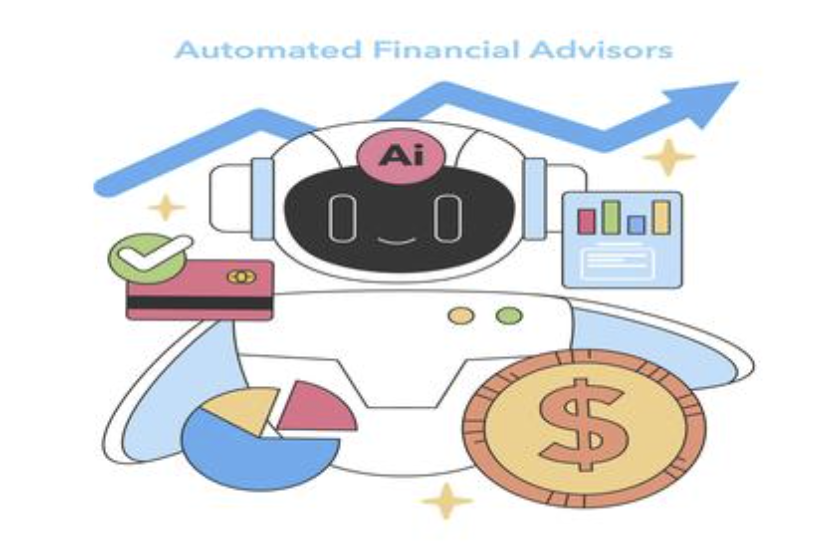
Generative AI automation is changing the landscape of wealth management. Intelligent advisors now analyze unstructured information to provide tailored, compassionate financial advice, transforming human advisors into strategic partners focused on personal engagement. Hedge funds that implement automated technology see substantial returns, while conventional firms lacking AI integration risk falling behind in catering to wealthy clients.
Pathological Diagnosis Services
Automated AI systems are revolutionizing the field of pathological diagnosis, which has historically depended on human skill. These technologies examine extensive pathological images with accuracy, addressing shortages of medical professionals and standardizing diagnostic practices. Regional laboratories equipped with AI are leading the market, while smaller clinics must collaborate with tech-enhanced centers to attract and keep high-paying patients.
Mines and ports are adopting automated remote control technologies. Massive excavators and cargo handlers now function without on-site personnel, monitored through advanced terminals situated miles away. This shift alters the demand for talent within the industry, favoring tech-oriented operators instead of manual laborers and creating new investment prospects in remote operation frameworks.
Pharmaceutical R&D
Automation speeds up the process of drug discovery by enhancing molecular design and streamlining clinical trials. AI-fueled virtual assessments cut down trial durations and reduce failure rates, significantly altering the pharmaceutical industry. Smaller biotech companies collaborating with automated platforms are able to compete with larger firms, while traditional contract research organizations that do not embrace automation risk losing their market position.
Automated solutions are redirecting health management from a focus on treatment to one on prevention. AI-enabled systems evaluate health data to predict risks early, developing tailored wellness strategies for wealthy clientele. Traditional practices face disruption as technology-enhanced health facilities provide smooth, data-driven premium services.
High-Value Produce Logistics
Drones address the challenge of transporting high-quality rural produce. Fruits grown in mountainous areas and fresh seafood, previously vulnerable to deterioration during rugged road transport, can now be flown directly to markets using large-capacity drones. This method preserves freshness, enhances product value, and establishes specialized supply chains for upscale restaurants and individual consumers.

Rural Infrastructure Patrol
Drones are becoming crucial for managing rural infrastructure. They conduct inspections of power lines, forests, and waterways efficiently, lowering labor expenses and risks. Investors have the opportunity to finance drone-based surveillance services for rural areas, taking advantage of government support aimed at smart rural development.
Educational initiatives aimed at training drone operators are cultivating a novel generation of "new farmers." Wealthy investors can support these programs, connecting talent growth with the expansion of drone services. This fosters a sustainable cycle—skilled drone operators enhance adoption rates, while the increasing demand stimulates investment returns.
Policy-Backed Low-Altitude Economy
Government policies emphasize the growth of the rural low-altitude economy, providing financial assistance and regulatory backing. Investors concentrating on drone-relevant infrastructure, such as charging stations and airspace management systems, are positioned to gain from this supportive policy environment. This offers a stable entry point into the surge of rural innovation in China.

Agricultural drones transcend their role as mere farming implements—they serve as key drivers for a lucrative rural economy. For astute investors, their varied functionalities combine profit potential with sustainable growth, presenting a distinctive opportunity for the future of rural China.