XR is on the verge of a significant growth phase, but the real competition focuses more on managing the access points to spatial computing rather than on hardware specifications. For those who prioritize security, exclusivity, and oversight of their digital interactions, this competition reinterprets "access" beyond mere devices; it relies on secure identities, personalized environments, and defense against futuristic risks, transforming XR access points into vital tools rather than simple devices.

Top-tier XR access emphasizes enduring security through anti-quantum technologies. Products such as Thales’ EAL 6+ certified smart cards employ NIST-established post-quantum algorithms, protecting digital identities from potential quantum computing threats down the line. When paired with FIDO biometric authentication, these access points merge physical and digital identities, ensuring that the assets and interactions of affluent users remain protected, even as technological capabilities advance.
Localized Encrypted Cloud-Rendering Gateways
Cloud rendering reduces the load on hardware, while encryption protects privacy. Sophisticated XR systems transfer rendering tasks to private clouds but handle sensitive biometric and interaction data locally through zero-trust frameworks. This approach removes the need for heavy devices without sacrificing confidentiality—perfect for intimate virtual events or meetings within family offices, where the risk of data leaks is significant.

Private Spatial Ecosystem Custom Gateways
Premium XR access points are designed for distinct ecosystems. Customized firmware connects with family legacy digital collections, blockchain-verified art assets, and exclusive social groups, creating a self-contained spatial experience. In contrast to mainstream platforms, these access points empower users to establish access guidelines, combining XR’s immersive capabilities with the exclusivity that sophisticated users appreciate.
Cross-Scenario Trusted Identity Traceability Gateways
Accessing XR requires fluid, verifiable identities across different realms. Utilizing CFCA’s complete digital identity lifecycle solutions, these gateways incorporate vLEI credentials and forensic preservation, facilitating trustworthy interactions across various scenarios—from virtual asset trades to international XR business meetings. This traceability transforms identity into a secure and mobile gateway to worldwide spatial possibilities.
Industry-Specific Hardware-Software Synergy Gateways
Specialized XR gateways excel in high-value professional domains. FPGA-driven hardware-software synergy platforms enhance medical XR for intricate surgeries or luxury real estate visualization, where speed and precision are crucial. These access points not only facilitate unique experiences but also set new industry standards, securing competitive edges for those who are early adopters.
Their flexible structure enables effortless personalization to specific sector requirements—be it connecting with surgical navigation systems to display three-dimensional organ models in real time, or coordinating with property information for clients to engage with virtual interior layouts on a large scale. This degree of customized integration removes the delays and compatibility challenges often found in standard solutions, transforming intricate professional tasks into straightforward, reduced-error procedures.
Biometric-Bound Immersive Access Gateways
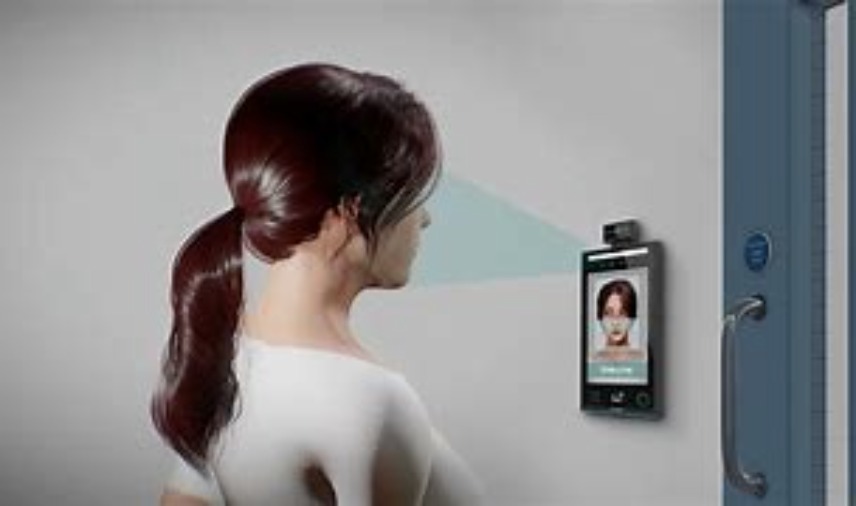
Security for entry combines biometrics with spatial context. 3D facial recognition, alongside behavioral analytics such as gaze tracking, guarantees that only authorized individuals can enter sensitive spatial areas. The local storage of biometric information (with no centralized databases) minimizes leakage risks, allowing the user’s distinct characteristics to serve as an unreplicable XR entry mechanism.
The competition for XR access points centers on governance—over identity, confidentiality, and experience. For individuals with refined tastes, the most effective entryways are not necessarily the flashiest, but rather the most thoughtfully designed: those that integrate advanced security measures, tailored environments, and resilient designs. In the age of spatial computing, XR gateways represent more than just devices—they become the cornerstone of digital independence.