The fascination with technology comes from its potential to equalize access, yet its implementation frequently results in a tangled mix of inclusion and exclusion. For individuals who are used to tailored tech experiences, this contrast is clear as it appears in everyday decisions, availability of resources, and worldwide interactions that obscure the distinction between advancement and inequality.
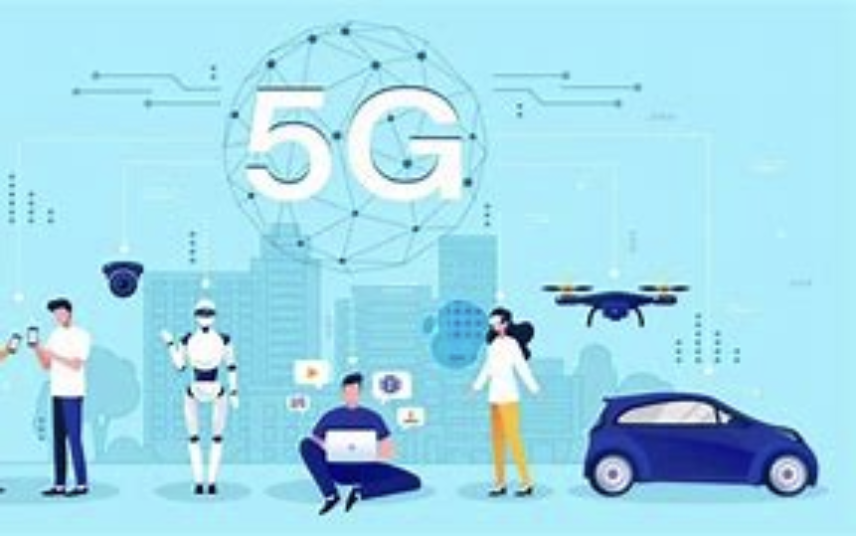
AI-driven tailored medical diagnostic instruments, which aim to make high-quality healthcare knowledge accessible to everyone, are still inaccessible for individuals who cannot pay for expensive subscriptions or have dependable internet services—expanding the divide between those who can use technology for preventive health care and those who must depend on minimal, reactionary treatment.
Healthcare: Precision vs. Accessibility
Advanced diagnostic technologies and personalized gene treatments provide crucial support to those who can pay for them, identifying health conditions before they present symptoms. Nevertheless, such advancements remain inaccessible for billions, as proprietary biotechnology companies set treatment prices beyond what the majority can afford. The artificial intelligence that fine-tunes treatment strategies for wealthy patients does not extend its reach to rural clinics that lack reliable connectivity, further increasing the gap in health equity.
Education: Customization vs. Exclusivity
AI-driven adaptive learning personalizes education curricula according to each student's strengths, a privilege for families who invest in high-end educational technology. This tailored experience, however, relies on high-speed internet access and expensive devices—assets that marginalized groups often lack. Additionally, prestigious institutions have begun to utilize AI for applicant screening, favoring those with access to technology-enhanced extracurricular activities, thereby reinforcing existing educational inequalities.

Wealth: Democratization vs. Stratification
Financial technology platforms have introduced new investment opportunities, enabling smaller investors to participate in markets that were previously exclusive to the wealthy. However, trading algorithms and private blockchain investments, which are primarily controlled by affluent individuals, enhance wealth accumulation for those who already possess capital. At the same time, gig economies driven by technology provide flexibility for some while confining others to low-paying and unregulated jobs.
Global Collaboration: Connection vs. Isolation
Video conferencing and cloud services facilitate international collaborations, creating a more level playing field for small businesses. Yet, digital colonialism continues: technology giants from wealthier countries impose global data regulations, capitalizing on user information from emerging markets without fair compensation. Local innovators find it challenging to compete against foreign tech monopolies, hindering regional growth.
Privacy: Control vs. Marginalization
Wealthy individuals utilize encryption technologies and private servers to protect their data, maintaining authority over their online presence. In contrast, low-income individuals often depend on free, data-intensive platforms, making them susceptible to surveillance and biased algorithms—ranging from discriminatory lending practices to unjust law enforcement targeting.
Innovation: Empowerment vs. Gatekeeping
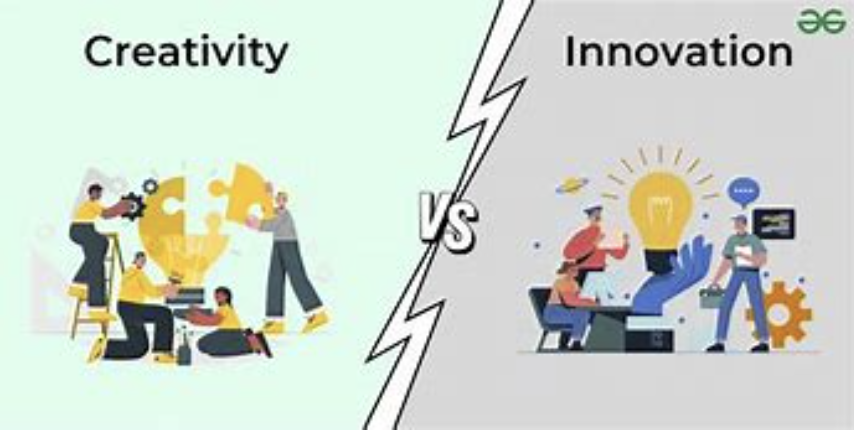
Open-source technology initiatives enable grassroots innovators to create solutions for communities that are underserved. However, patents and proprietary software hinder critical advancements by placing them behind paywalls, with large tech companies acquiring promising startups to preserve their leading positions. Tools that are intended to encourage creativity ultimately become controlled by a limited group.
Technology itself remains impartial; its effects are determined by access to resources and regulatory frameworks. For those with resources, it magnifies advantages, while for others, it accentuates systemic inequalities—constructing a reality where progress and disparity advance concurrently, unless deliberate efforts are made to close the gap.
