The past era of associating "Made-in-China" exclusively with mass-manufactured items has ended. In the present day, sophisticated automation is transforming its essence, merging precise technology with creative craftsmanship to serve consumers with refined tastes globally. This evolution is not just about improved efficiency; it also reimagines aspects like quality, personalization, and sustainability, establishing made in China as a new standard for premium consumption.
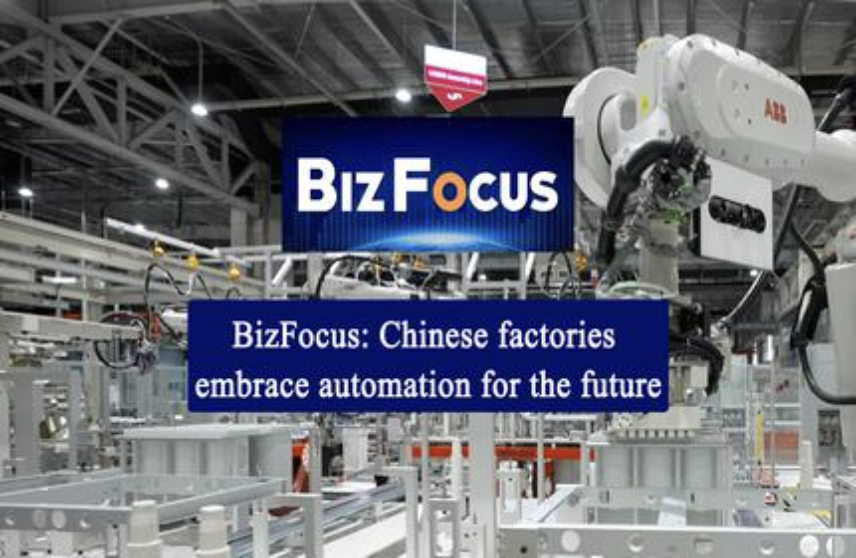
High-end consumers require unmatched accuracy, a benchmark wherein human skill combines with robotic precision. Automated arms featuring AI vision technology manage sensitive materials—from premium leather used in luxury handbags to aerospace-quality metals—with micron-level accuracy. In contrast to manual production, robots eliminate human mistakes brought about by fatigue, guaranteeing that every stitch, trim, and polish remains uniform. For luxury brands that collaborate with Chinese manufacturers, this results in products adhering to the most stringent global standards, transforming "Made-in-China" from merely a production label into a symbol of quality assurance.
Bespoke Customization at Scale
Personalization represents the essence of high-end consumption, and automation facilitates accessible tailored luxury without sacrificing efficiency. Intelligent production systems incorporate real-time consumer insights, enabling on-demand modifications—be it engraving a specific design on a watch or adjusting the fit of a high-fashion outfit. This “mass customization” concept shatters the conventional trade-off between exclusivity and scalability, allowing Chinese manufacturers to address the unique preferences of wealthy customers globally, a capability previously restricted to small-scale artisanal workshops.

Sustainability: Automated Eco-Luxury
Affluent consumers are increasingly placing importance on sustainability, and automation is advancing the environmentally friendly transformation of Chinese production. Advanced systems enhance resource use: AI algorithms determine the precise quantity of materials needed for every item, decreasing waste by as much as 30% relative to conventional practices. Energy-efficient robots and intelligent lighting modify consumption according to manufacturing requirements, reducing carbon emissions. Luxury items produced in automated Chinese factories now possess a dual value—superior craftsmanship and environmentally responsible production—aligning with the principles upheld by today's high-net-worth individuals.
Automation does not supplant craftsmanship; it enhances and sustains it. Numerous traditional Chinese artisanal methods, including hand-painted porcelain and intricate embroidery, are becoming digitized and incorporated into automated processes. Robots emulate the delicate actions of master artisans, ensuring these traditional skills are preserved while also fulfilling contemporary production needs. For collectors and luxury consumers, this signifies acquiring items that merge ancient artistry with advanced technology, a distinctive offering that only reimagined manufacturing in China can deliver.
Global Luxury’s Hidden Engine
Behind various esteemed luxury brands exists a Chinese automated production facility. From top-tier electronics to high-quality automotive parts, the automated plants in China have emerged as the reliable foundation of global luxury. These factories integrate speed, accuracy, and adaptability, allowing brands to introduce new products more rapidly while preserving quality. For wealthy consumers, this translates to access to groundbreaking luxury goods that exploit China’s technological advancements, often without recognizing the essential role automation contributes to their production.
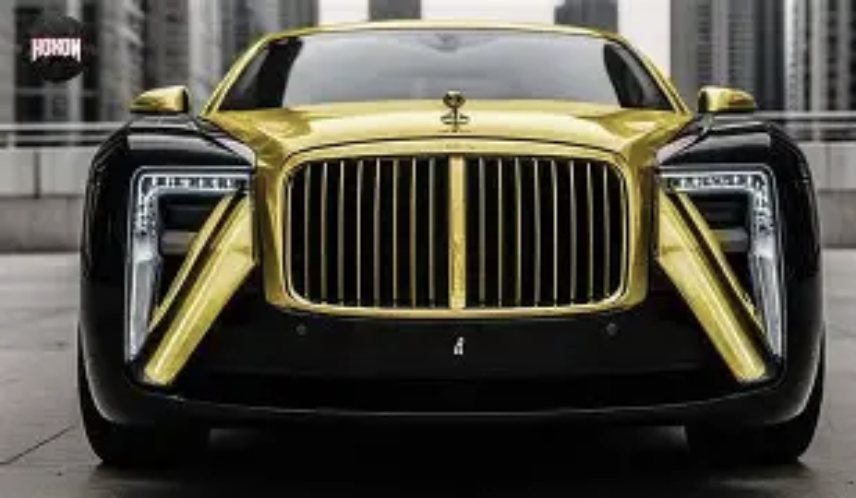
Automation has transformed the narrative surrounding made in China. It now emphasizes redefining luxury through accuracy, personalization, and sustainability rather than merely focusing on volume. For the high-end market, this evolution presents a novel option—goods that represent technological prowess, cultural richness, and ethical manufacturing. As automation keeps progressing, made in China is poised to spearhead the upcoming phase of global luxury, demonstrating that innovation and quality are now its defining characteristics.

