The true capacity of technology is not limited by software or machinery but is instead determined by the field of materials science. For wealthy consumers, this unseen power transforms luxury, function, and exclusivity—changing the scope of what can be achieved in everyday scenarios and more. It acts as the quiet designer of elite experiences to come, establishing the limits for new developments.
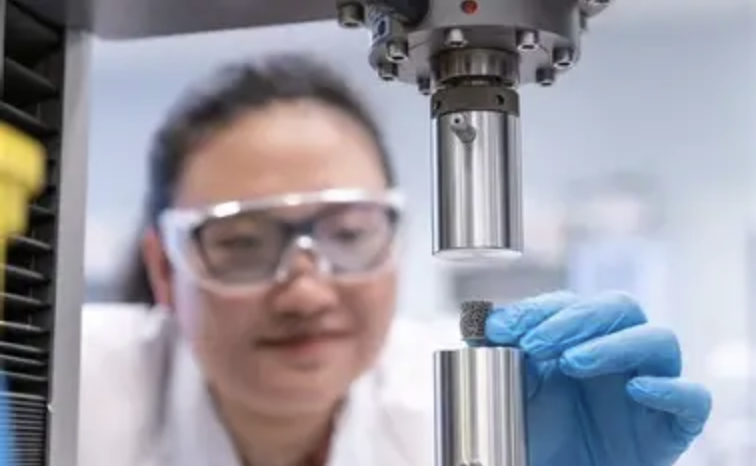
Think about premium electric cars: advancements in lightweight carbon fiber composites and solid-state battery technologies are more than mere engineering accomplishments—they transform the expectations of wealthy consumers regarding performance, distance, and environmental responsibility. In the same way, luxury watch manufacturers have started utilizing lab-created diamond substitutes or highly resilient ceramic alloys created via advanced material science to produce watches that merge classic aesthetics with exceptional toughness. For the extremely affluent, these innovations in materials extend beyond simple technical specifications; they represent symbols of exclusivity, guaranteeing that the items they choose to purchase are at the forefront of scientific potential, well beyond what is commonly available.
Biomanufacturing: Living Materials for Luxury
State-of-the-art biomanufacturing employs modified microorganisms to "cultivate" luxury resources. Leather made from mycelium, sourced from fungal systems, presents a more flexible and resilient substitute to animal skins for premium accessories, while bio-silk produced from engineered bacteria offers exceptional softness without harming the environment—reflecting the elite values of sustainability and uniqueness.
Carbon nanotubes, which are 100 times stronger than steel yet remarkably light, revolutionize the endurance of products. High-end watchmakers incorporate these materials into their case designs for improved scratch resistance, while high-performance automobiles utilize components reinforced with nanotubes to achieve an optimal mix of speed and safety—producing heirloom-quality items for discerning consumers.
Interstitial Materials: Atomic-Level Customization
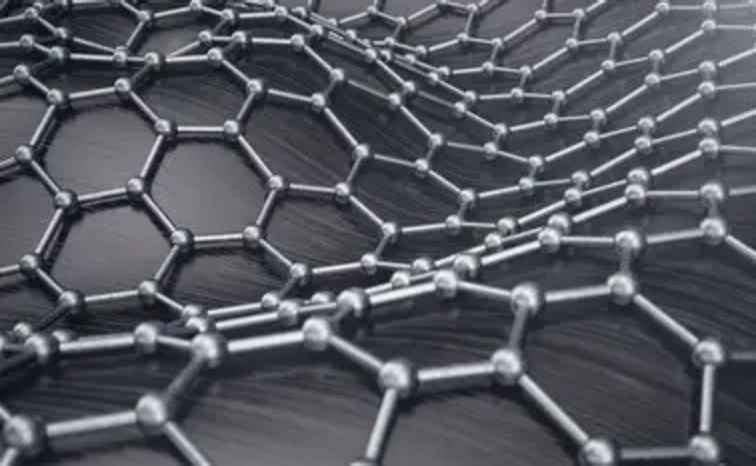
Innovative interstitial materials, created by twisting two-dimensional layers, reveal distinctive electronic characteristics. For luxury tech devices, they facilitate components that consume remarkably low power and offer atomic-level tuning of circuits, producing gadgets that merge elegant design with exceptional performance—where exclusivity is based on material breakthroughs rather than mere branding.
Nanocoatings: Invisible Luxury Enhancement
Sophisticated nanocoatings enhance everyday luxury items. Augmented reality glasses designed for affluent customers implement nanowaveguide layers for lightweight, expansive visibility, while private jets utilize nanogel coatings for enhanced thermal insulation and radiation shielding—imperceptible improvements that elevate comfort and practicality for luxurious lifestyles.
Bio-Based Polymers: Circular Luxury Ecosystems
Bio-based polymers, generated from renewable sugars and CO₂, replace traditional petrochemicals in luxury packaging and furniture. These materials naturally decompose without sacrificing quality, enabling high-end brands to create a complete circular system—transforming sustainability into a real, premium characteristic rather than a mere marketing strategy.
Smart Biomaterials: Adaptive Luxury Experiences
Smart biomaterials adapt to human body functions, transforming wearable luxury items. Fabrics made from nanofibers that adjust to body heat or track health metrics seamlessly fit into high-fashion clothing, providing tailored comfort and insights—integrating wellness, technology, and aesthetics for the wealthy.

The field of materials science is the often-overlooked champion of luxury innovation. By expanding the possibilities of material capabilities, it raises the ceiling on technology, fostering luxury encounters that are more robust, environmentally friendly, and exclusive. For affluent consumers, this is where genuine advancement is found—not in devices themselves but in the fundamental components that enable their existence.