Elite groups increasingly adopt innovative technology to track, improve, and enhance their physical condition—from wearables utilizing AI for biofeedback to custom genetic enhancement solutions. What may seem like the ultimate example of self-control frequently conceals feelings of unease, creating a blurred distinction between deliberate self-care and compulsive regulation for individuals with access to high-end body technology.
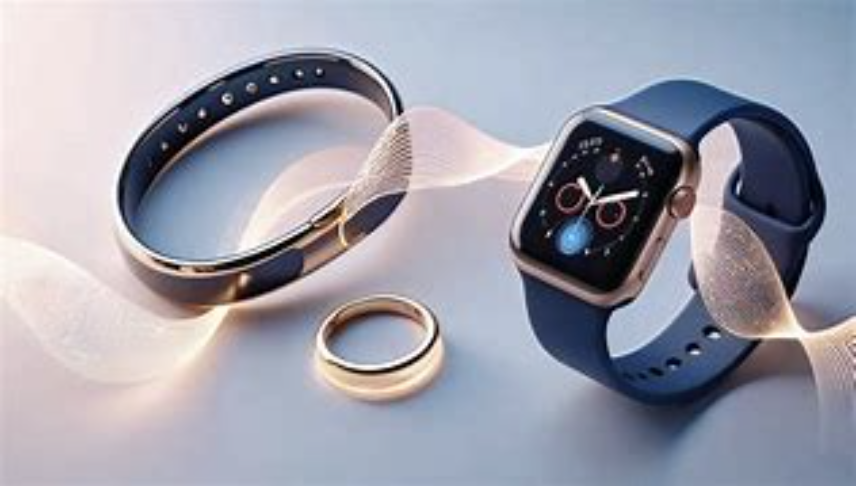
An intelligent fitness device that sends notifications when your daily steps do not meet the target or when there are minor changes in your resting heart rate could encourage strict routines, but it can also create a persistent feeling of not measuring up—transforming a simple prompt for self-care into an unyielding benchmark that offers scant opportunity for the body’s inherent, spontaneous patterns.
Data Addiction versus Genuine Discipline
Premium body technology inundates users with detailed information—metrics at the cellular level, disturbances in circadian rhythms, and deficiencies in micronutrients. While such accuracy has the potential to encourage discipline, it more commonly heightens anxiety: small variations can lead to extreme adjustments, transforming "informed care" into an unrelenting quest for numerical excellence, disconnected from overall bodily necessities.
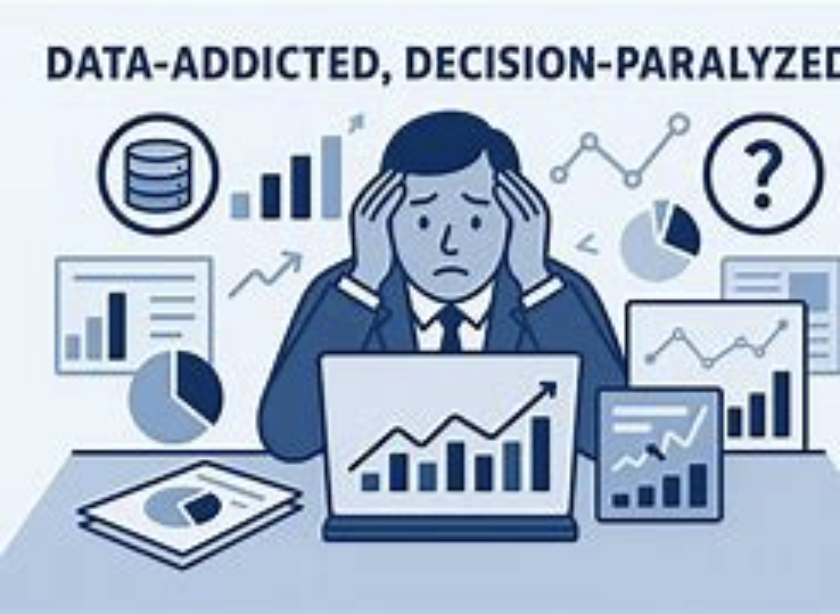
Personalized Interventions Leading to Anxiety
Tailored technology-based programs—diet plans fine-tuned by AI, neurofeedback sleep methodologies, and fitness programs designed around genetic profiles—offer promises of control. However, they also present a contradiction: the more customized the approach, the stronger the trepidation about "failing" to comply. Users of such elite technology worry about squandering investments and not achieving technology-predicted potential, which turns self-control into a burdensome obligation.
Pressure from Tech-Influenced Body Image
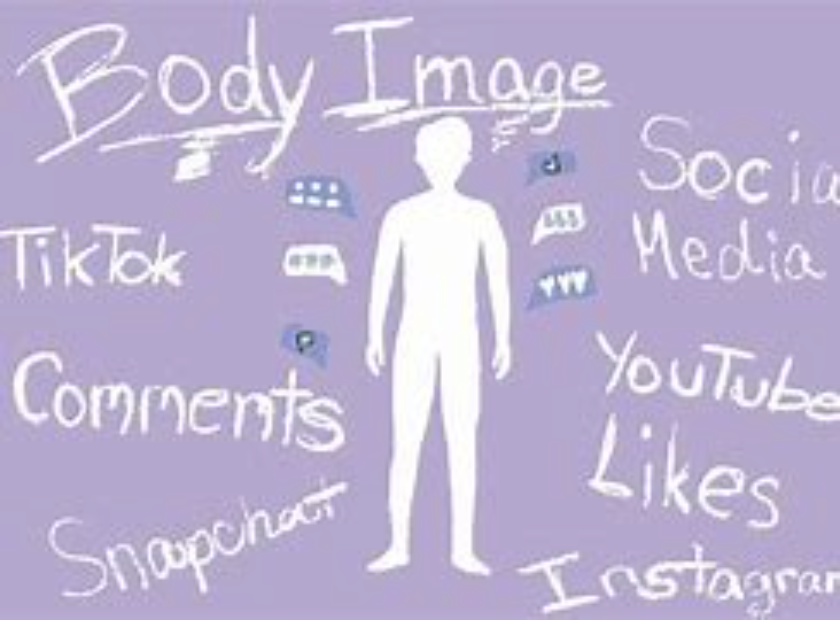
Sophisticated imaging technologies and digital body simulators allow users to envision their "ideal" physiques. This form of anxiety differs from typical body image concerns in that it is highly specific—stimulated by comparisons with one's own tech-generated "ideal" rather than by social norms. As a result, it diminishes satisfaction with existing health, positioning discipline as a means to pursue an impossible standard defined by technology.
The Illusion of Autonomy in Algorithmic Processes
Managing the body with technology gives the impression of independent self-regulation, yet algorithms subtly dictate decisions. Smart devices manipulate workout intensity, restrict "unapproved" foods, and notify users of "non-compliant" behaviors. This diminishes natural bodily awareness; users depend on technology over their instincts, transforming self-discipline into compliance with algorithms, with apprehension looming over every deviation.
Affluent individuals dedicate unseen hours to adjusting body technology: refining biometric thresholds, refreshing AI models with updated data, and resolving issues with wearables. This ongoing maintenance transforms into an additional job, with anxiety intensifying when technology falters or fails to meet expectations. What began as disciplined self-improvement deteriorates into a tiresome cycle of maintenance.
Mindful Technology Usage as a Balancing Strategy
The distinction lies in purposeful intent. Knowledgeable users approach body technology as a resource rather than a standard—utilizing data for insights without becoming overly focused on metrics and valuing adaptability over strict compliance. This mindset turns technology into an instrument for lasting discipline, liberating users from anxiety-driven fixation.
The management of one’s body through technology serves as a mirror reflecting the individual's relationship with control. For those with resources, it can present a pathway to mindful self-discipline or a source of anxiety—ultimately determined by whether they control technology or allow it to dominate them.