The application of artificial intelligence in wealth management goes well beyond mere automation of portfolios and the simplification of regular administrative tasks. A significant shift in operations is taking place within private banking and asset advisory sectors, where detailed analysis of behaviors and adaptable risk assessment are altering established methods of client asset distribution. These subdued operational modifications are changing the ways in which asset value is maintained, expanded, and safeguarded, reforming the essential skills that set apart high-quality wealth management offerings.

Modern AI wealth management tools are proficient at analyzing unstructured personal financial information, identifying long-term spending habits, navigating various tax regulations, and uncovering hidden liquidity requirements that may be overlooked by human advisors. Rather than depending on fixed quarterly asset evaluations, these intelligent systems provide ongoing portfolio adjustments that respond to real-time market fluctuations and shifts in personal cash flow. This constant adjustment ensures asset exposure aligns closely with personal risk appetites and liquidity needs during different life phases, enhancing long-term asset performance beyond traditional periodic adjustment methods.
Hidden beneath these visible improvements in efficiency are various lesser-discussed structural contradictions that alter risk profiles for asset owners. AI techniques based on historical market trends find it challenging to respond to extraordinary unexpected events, leading to gaps in preparedness for sudden systemic disruptions. Even carefully backtested algorithmic portfolios often yield poorer results in live markets due to practical market barriers and changing behaviors of participants, resulting in a consistent discrepancy between anticipated returns and real asset performances.
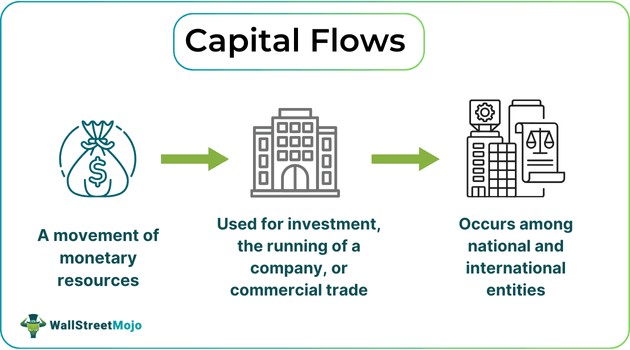
The phenomenon of algorithmic uniformity poses another complex secondary risk. As both institutional and retail wealth management platforms implement similar intelligent allocation strategies, market capital movements become more tightly correlated. Collective simultaneous rebalancing sparked by identical algorithmic signals heightens short-term market volatility, transforming individual asset adjustments into widespread sector shifts that diminish the stability of diversified portfolios over time.

The lack of transparency in models adds to the challenges of long-term asset governance. Numerous advanced wealth management AI systems function as opaque decision-making tools, producing definitive strategy outcomes without clear reasoning trails. This black-box nature complicates internal accountability and regulatory adherence, and occasional model inaccuracies might create misleading tax strategies or market insights that could misdirect critical asset decisions.
The secondary effects on behavior and the industry are equally significant. Increased dependence on algorithmic management gradually undermines the financial judgment of both individuals and institutions, leading to a reliance on machine-generated recommendations. In the financial sector, the role of advisors is evolving from basic allocation management to overseeing high-value scenarios and managing model risks, raising entry requirements for wealth management professionals and changing the competitive landscape for talent.
AI is not merely refining existing wealth management processes; it is fundamentally reconfiguring the principles behind asset maintenance and growth. The lasting significance of this change lies in fostering a balanced partnership between humans and machines, rather than complete algorithmic replacement. Discerning market participants emphasize not just the efficiency enhancements driven by AI, but also the importance of model clarity, strategies to counteract uniformity, and independent risk management to ensure long-term asset durability amidst continuous industry advancements.
