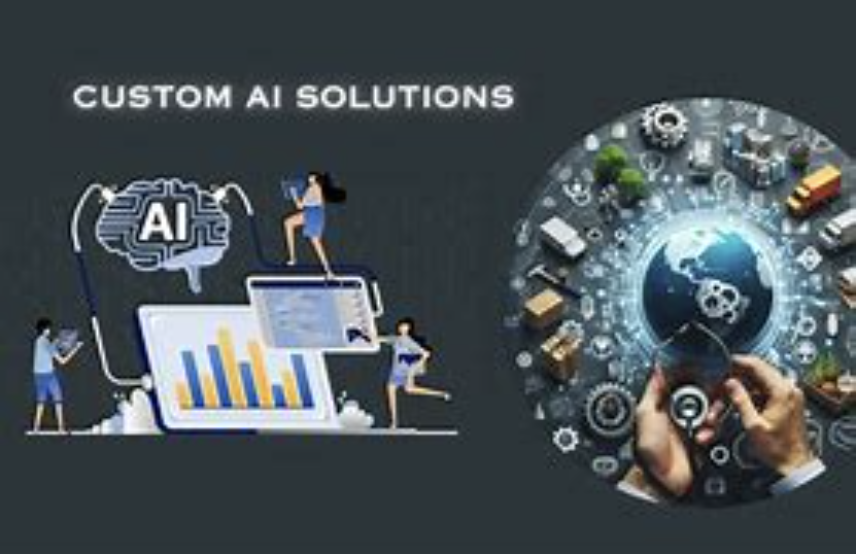
Those who approach life with purpose confront a significant question as artificial intelligence becomes skilled in reasoning: when machines take on the responsibility of thought, should we view this as a threat or as an opportunity for empowerment? For perceptive individuals, the response does not lie in mindless fear or unbridled enthusiasm, but in reimagining the distinction between the supportive functions of AI and the preservation of human intellectual authority.
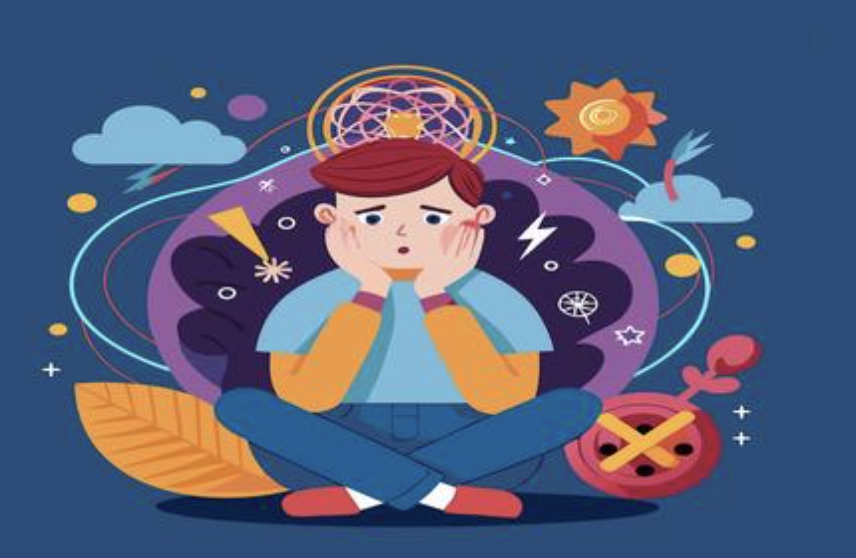
It might involve AI analyzing large volumes of information to create strategic plans for a company, as humans clarify the vision and moral limits that machines are unable to understand; or AI may produce numerous answers to a challenging issue, while humans select the option that resonates with their fundamental beliefs. Worry surfaces when we hand over our independence to AI, while enthusiasm flourishes when we utilize it as an instrument to enhance, rather than supplant, our ability for analytical thought and inventiveness.
Cognitive Sovereignty: Protecting Essential Judgment
While AI is proficient in handling data, the capacity to make decisions aligned with one’s values and long-term aspirations is distinctly human. Wealthy individuals utilize AI for analyzing markets or creating scenario simulations but retain ultimate decision-making authority—transforming AI into a collaborator in thought rather than a substitute, alleviating the worry of losing control.

High-quality AI systems for managing wealth or planning estates provide valuable insights, yet they cannot replicate the subtleties inherent in human relationships or ambitions regarding legacy. Discerning users harness AI to minimize cognitive biases and clarify choices, experiencing satisfaction in the lucidity it offers without compromising their autonomy in decision-making.
Niche Expertise: AI as a Collaborative Tool
In focused sectors such as private art curation or custom technology investments, AI assists in research but does not engage in intuition-based judgment. Professionals in these areas embrace the potential of AI to broaden their knowledge, while their distinctive expertise serves as the foundation—leading to no anxiety, only enhanced capabilities.
Risk Perception: Balancing AI Insight and Caution
AI’s predictive abilities can mask underlying risks, leading to anxiety for those who depend on it excessively. Astute users validate AI results through consultations with human experts, employing technology to uncover possibilities while addressing potential oversights. This equilibrium transforms possible anxiety into assured, informed actions.
Creative Cognition: AI as a Spark, Not a Creator
For individuals engaged in creative fields—from luxury branding to architecture—AI generates concepts but lacks the emotional depth found in human creativity. The thrill arises from combining AI's innovation with human imagination, producing results that machines alone cannot realize.
Circle-Specific AI: Tailored Control
Wealthy communities utilize customized AI tools crafted for privacy and personalization, in contrast to mainstream platforms. These tools adjust to personal thinking preferences, enhancing enthusiasm through individualized support while maintaining cognitive independence.The capacity of AI to “think” does not need to induce anxiety. For insightful individuals, it acts as a driver for growth—enhancing human thought rather than supplanting it, transforming advancements in technology into a source of empowerment.