The apprehension regarding AI taking over jobs persists in societal conversations; however, for those positioned at the highest levels of wealth and influence, the perspective is fundamentally different. Rather than posing a risk to employment, AI serves as a driving force that urges a significant transformation in work practices—redirecting attention from mere task execution to the creation of value, and transitioning from the commonplace to the exceptional.
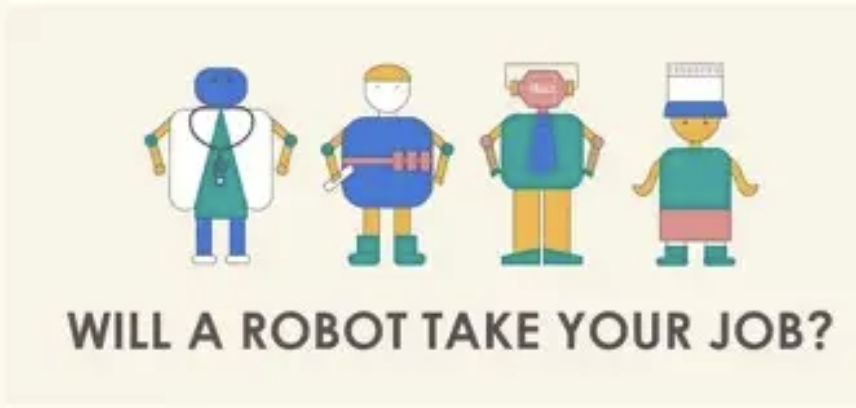
Artificial intelligence streamlines everyday execution tasks such as entering data, creating reports, and conducting repetitive analyses. This allows skilled professionals to concentrate on strategic innovation, solving complex problems across various fields, and nurturing relationships—activities that AI is unable to imitate. This transition does not remove jobs; instead, it enhances them to focus on more valuable and indispensable responsibilities.
From Task Execution to Value Orchestration
Individuals in high-stakes professions are shifting from performing repetitive tasks to facilitating significant impact. For instance, a wealth manager no longer dedicates significant time to data analysis—AI assumes the role of managing investment portfolios—allowing them to develop tailored strategies for wealth legacies that align clients’ values with their long-term financial aspirations in ways that machines cannot replicate.
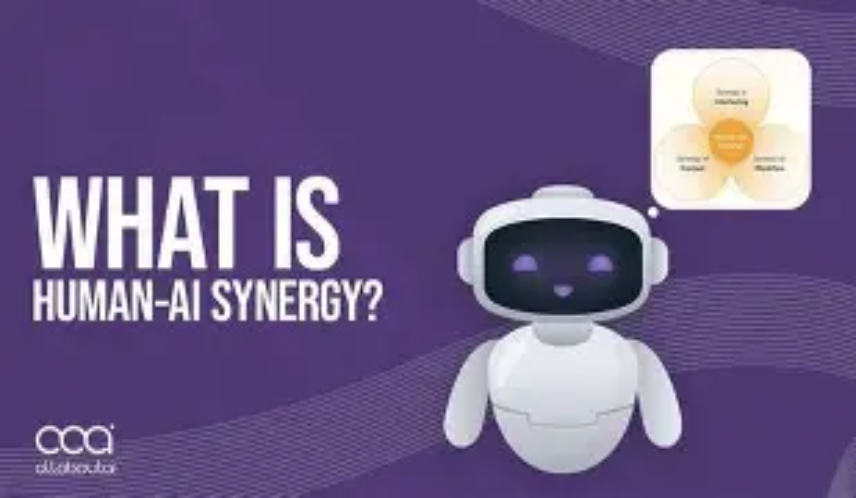
Human-AI Synergy for Niche Expertise
Rather than substituting specialized knowledge, AI enhances it. A strategist specializing in luxury brands utilizes AI to interpret shifting global cultures and consumer feelings, combining this data with years of industry experience to create legendary marketing campaigns—merging the precision of technology with the subtleties of human intuition that characterize top-notch work.
Rethinking Decision-Making Hierarchies
AI transforms the process through which wealthy individuals make significant decisions. Rather than depending on scarce data or personal experience, they employ AI to model scenarios—from assessing risks in real estate to evaluating the effects of philanthropy—advancing their decision-making from reactive responses to proactive planning, bolstered by insights that were not accessible before.
For creatives in prestigious professions, AI acts as a partner instead of a rival. An esteemed interior designer utilizes AI to produce technical schematics and simulate materials while maintaining authority over the emotional impact—creating spaces that merge innovation with the individual narratives of affluent clients.
Building Career Resilience via Adaptation
AI compels high-earning professionals to prepare their careers for the future. A business advisor does not resist AI-driven technological tools; rather, they excel in incorporating AI into their work with clients, redefining their position as a facilitator who harmonizes technological capabilities with human requirements—transforming adaptability into a competitive advantage.

Cultivating Irreplaceable Human Qualities
As AI manages quantifiable tasks, the invaluable qualities of humanity emerge as essential. Traits such as trust, empathy, and contextual insight—central to high-value work—become even more significant. An executive in a family office employs AI to optimize processes, but relies on skills in relationship-building to navigate dynamics across generations, fostering loyalty that no technology can replace.
The actual influence of AI is not the elimination of jobs, but a redefinition of what valuable work entails. For those eager to enhance their approaches—welcoming AI as a means to amplify human capabilities—it opens doors to more profound impact, increased independence, and enduring work that transcends technological advancements.